.svg)



How Many Range Balls to Hit For Improvement

3 minutes to read
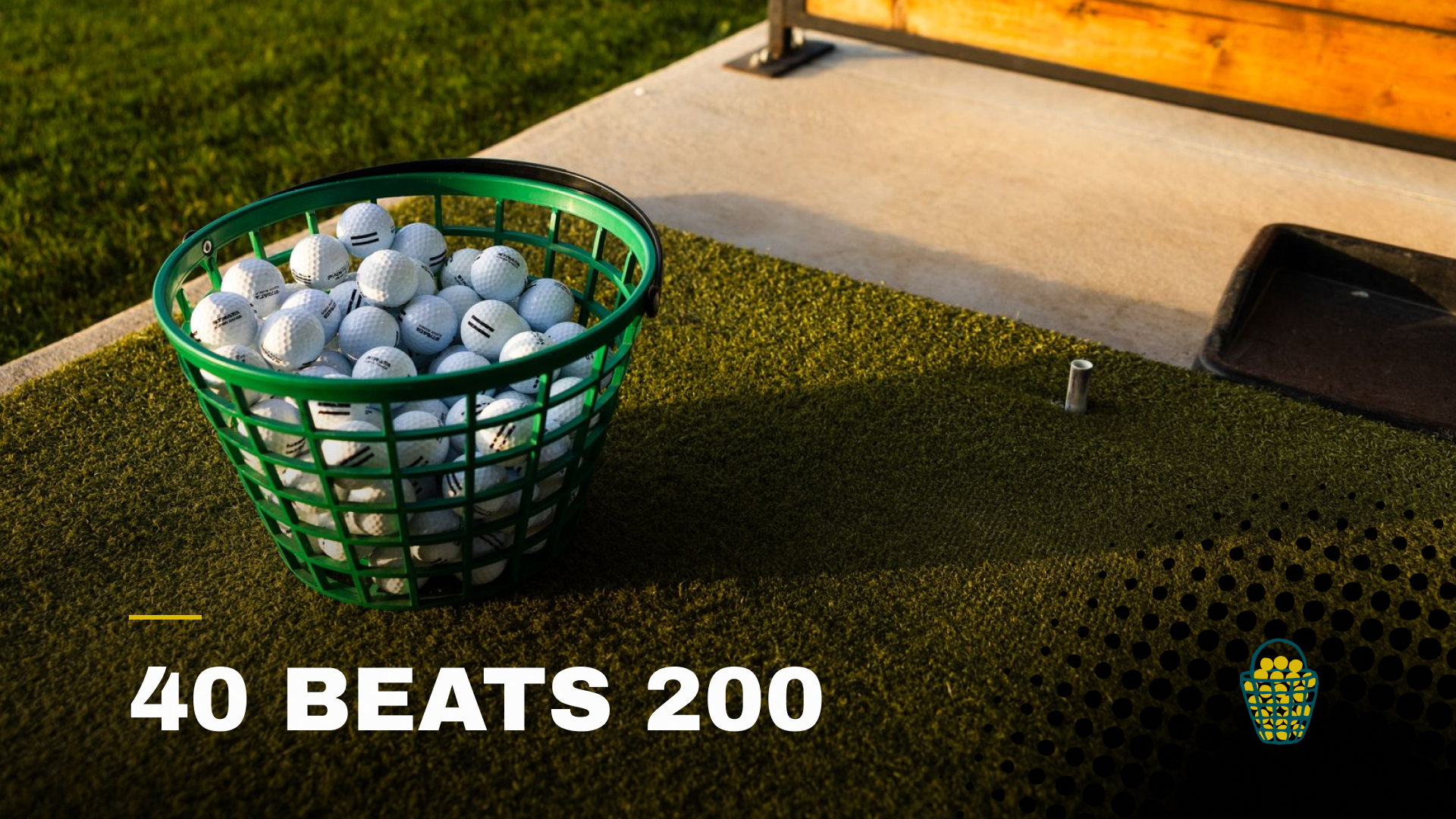
Recently, I watched a golfer power through a 100-ball bucket in thirty minutes. His hands were sore, his shirt was soaked, and he had no idea if his swing actually improved. Volume does not equal progress. Hitting hundreds of balls without feedback simply reinforces bad habits. Knowing exactly how many range balls to hit for improvement is the first step toward a lower handicap.
The myth of the marathon range session
Many golfers believe that 10,000 hours of practice is the only way to get better. However, those hours must be intentional. Hitting 200 balls as fast as you can is a workout, not a practice session. It takes a physical toll on your body and leads to fatigue that ruins mechanics. Even basic fundamentals like a proper golf grip can start to slip when you are simply trying to power through a bucket.
Mindless hitting makes practice a chore rather than a diagnostic tool. Without data, you cannot tell if a bad shot was a fluke or a pattern. Tired muscles lead to compensations that would not happen on the course, meaning you are essentially practicing how to play poorly. For the performance-focused player, the goal is to replicate the focus required on the first tee, not to build endurance for a marathon.
How to use Toptracer for quality control
Improvement depends on the amount of data you collect per swing. Using real-time feedback turns a standard range session into a high-density learning experience. Players at Golf Ranch often find that the technology helps them focus on quality over quantity. Positive Golf Ranch reviews often highlight how using trend-based data and real balls ensures your practice translates to the course.
Tracking dispersion patterns
Instead of watching the ball fly into an open field, look at the dispersion map on the monitor.
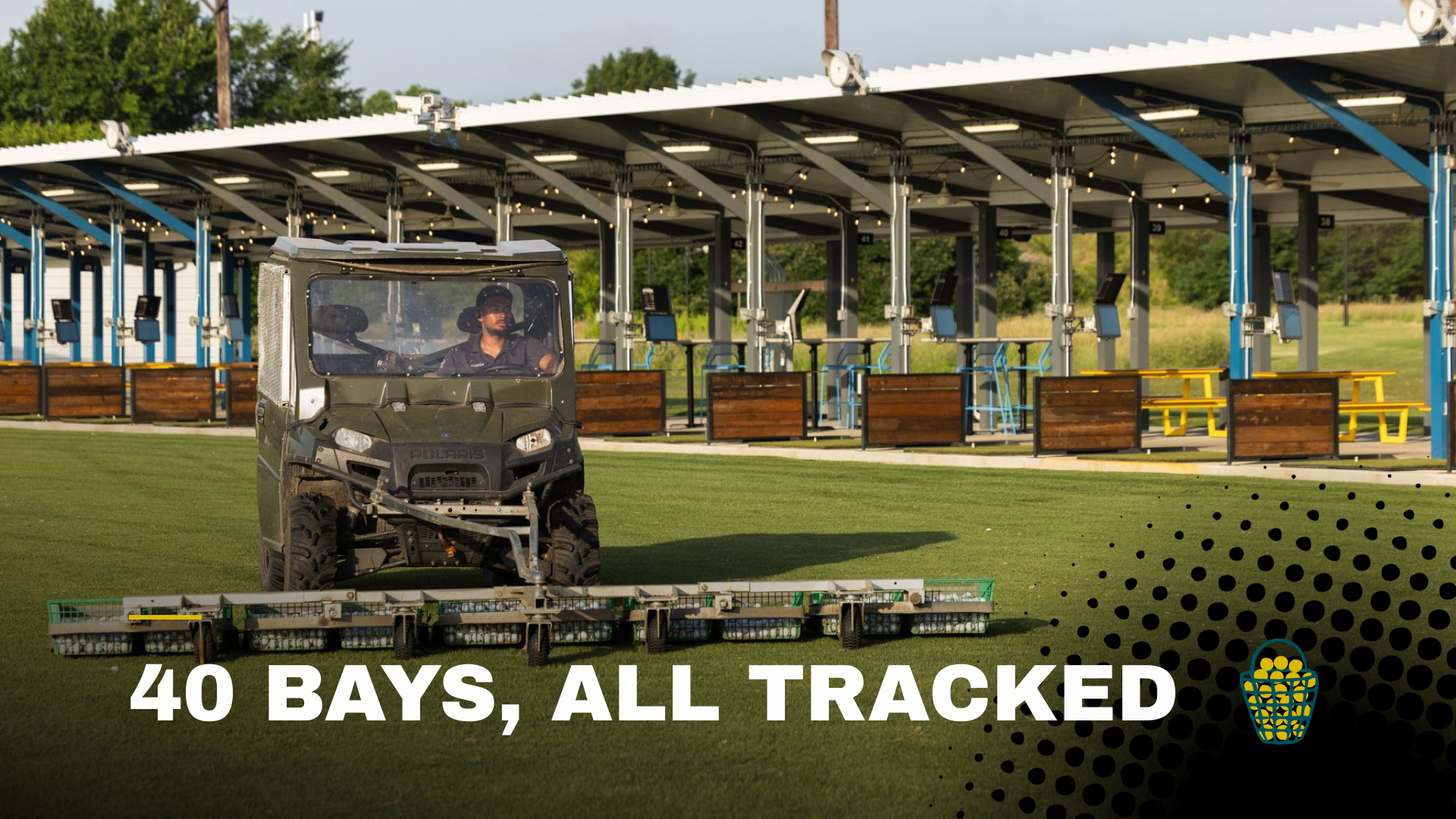
The Toptracer system shows exactly where your shots are clustering. Following specific range tips, such as checking your consistency from session to session, helps you identify your real-world miss. While swing analyzer apps provide insights, seeing your actual ball flight in covered hitting bays allows for consistent practice regardless of the weather.
Dialing in your golf yardage gapping
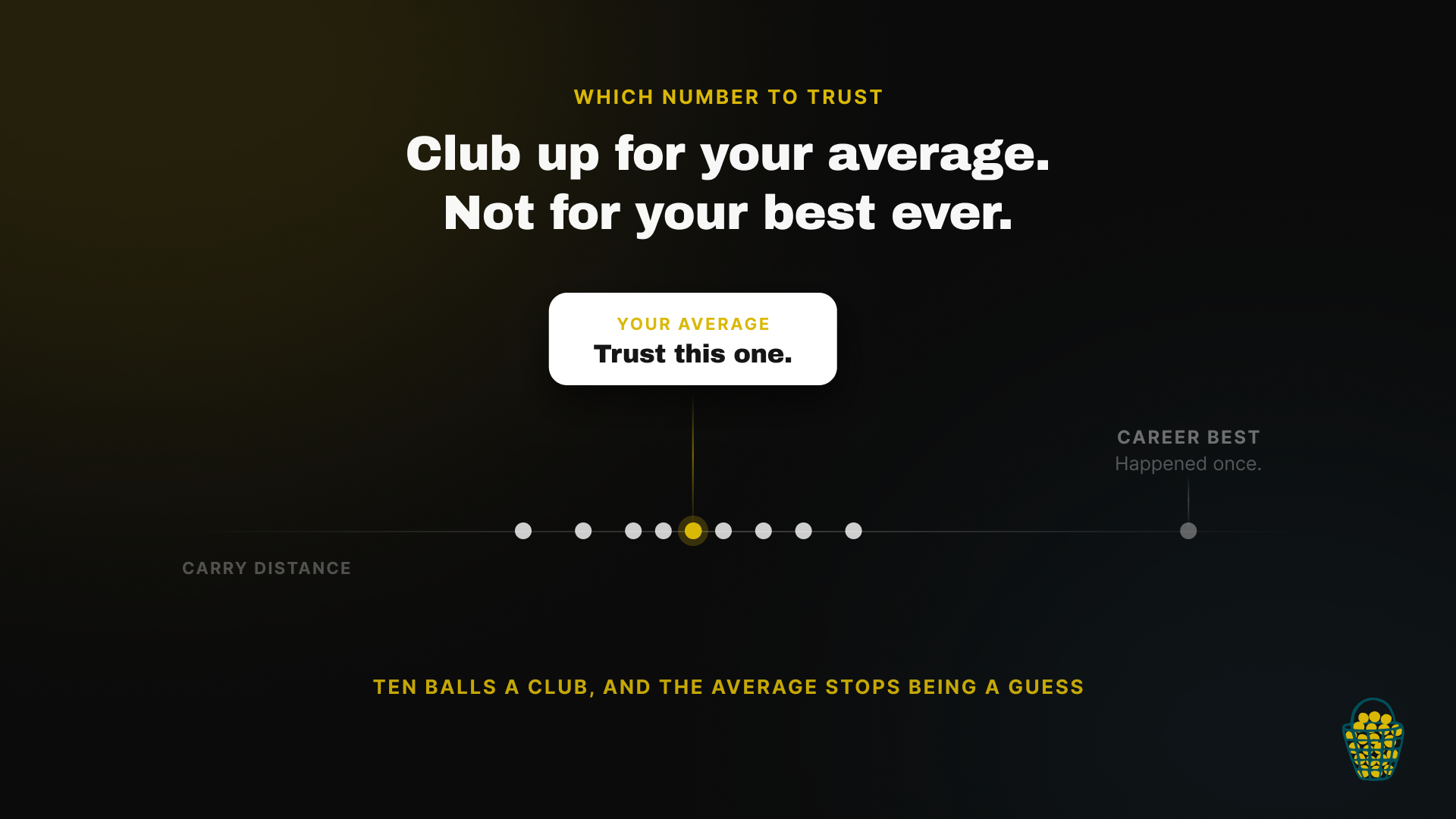
Use your bucket to find the exact carry distance for each club. If you hit 10 intentional balls with each iron, you will have a data-backed yardage chart. This saves you strokes on the course by replacing guessing with knowing. Focus on your average carry rather than your career-best strike to keep your expectations realistic for your next round. This professional-grade data is what separates a productive session from a casual afternoon at the range.
A 40-ball practice framework
To maximize your time, incorporate specific golf practice drills into your routine:
- The warm-up (10 balls): Hit half-swings with a wedge to find your rhythm and see the initial data.
- The pressure drill (20 balls): Use the Point Game to aim for specific high-value targets. Every shot counts.
- The play-through (10 balls): Use virtual course mode to simulate 2 to 3 holes. Alternate clubs after every shot just like on the course.
Frequently asked questions
Is a medium bucket enough for a session?
Yes. If you follow an intentional framework, 40 to 50 balls are often more productive than a large bucket.
Can I see my ball speed on every shot?
Toptracer tracks ball speed, launch angle, and carry for every single swing.
What to do next
Stop counting balls and start counting quality reps. A pay-per-bucket model lets you control your volume based on your goals, without the pressure of an hourly clock. The goal is improvement.
Visit Golf Ranch today to test the tech for yourself and get your first bucket free.